

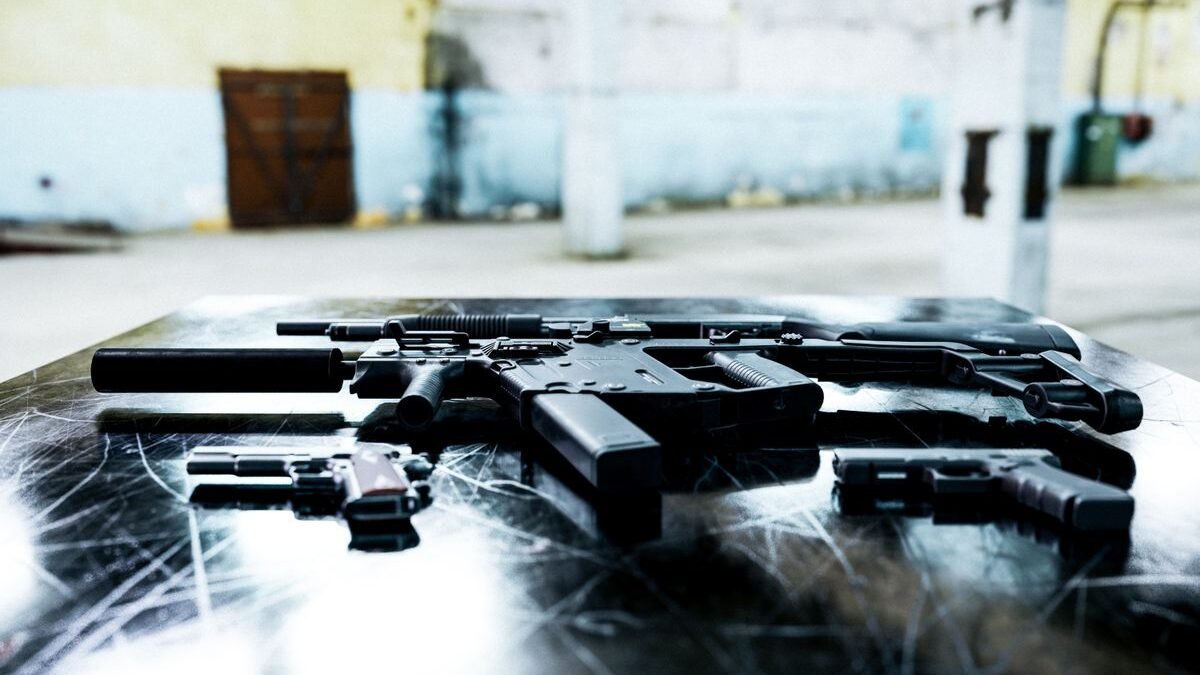
Spending more on defence is the easy part. Converting that spending into produced weapons, delivered at scale and speed, requires an industrial system that European countries spent three decades systematically shrinking. The question that animates European defence ministries, industrial policy makers and military planners in 2026 is not whether there is political will and budget to rearm — there is — but whether the industrial base can absorb that investment and produce the output fast enough to matter.
The structural problem explained
Dr. Olivier De France, research director at the French Institute of International and Strategic Affairs (IRIS) and a specialist in European defence industrial policy, is precise about the challenge. “European defence industries optimised themselves over thirty years for a world of strategic stability, where the primary market was low-volume, high-value exports and maintenance of existing platforms. The result is an industry that is excellent at producing small numbers of sophisticated systems and structurally poorly configured for producing large numbers of systems at speed and reasonable cost. That is exactly the wrong industrial profile for the security environment we are now in.”
The Ukraine conflict has provided a real-time stress test. European artillery shell production — the most acute shortage — has increased from around 300,000 rounds per year in 2022 to an estimated 1.4 million in 2026. That sounds impressive until you note that Ukraine has been consuming several million rounds per year in periods of intense combat, and that European stockpiles for NATO’s own contingency planning were significantly depleted by transfers to Ukraine. As our air defence analysis and drone race piece documented, similar production gaps exist for missiles, advanced munitions, and drone systems.
Where Europe is making progress
The most concrete progress has been in political commitment and contract placement. The EU’s European Defence Industrial Strategy set joint procurement targets — 40% of defence equipment procured jointly by 2030, 35% traded within the EU by the same date — that create a market signal for industrial investment. The European Defence Fund, while small relative to national budgets, has funded collaborative R&D that is beginning to yield results. Several joint programmes — MGCS main battle tank, the Future Combat Air System, Eurodrone — have survived years of inter-governmental negotiation and are making technical progress, though industrial and national workshare politics have consistently slowed them.
National investments have been more immediately impactful. Poland’s massive procurement of South Korean K2 tanks and K9 artillery has prompted South Korean companies to establish significant Polish production facilities — a technology transfer and industrial capacity building model that other EU member states are watching. Germany’s expansion of Rheinmetall’s artillery ammunition production has set ambitious targets for 2027. France’s MBDA missile production expansion is proceeding, with the Mistral and Aster system capacities both being increased.
What De France identifies as the binding constraint
“The bottleneck is not money, and it is not political will,” De France argues. “The bottleneck is people — skilled engineers, systems integrators, production line workers with defence sector clearances and experience. You cannot train a defence production workforce in two years. You also cannot easily import one. The talent pipeline that the industry contracted in the 1990s and 2000s will take a decade to rebuild. That is the real constraint on European defence industrial scale-up, and it is the one that gets the least attention in political debates that focus on budget numbers.”