
Poland has quietly transformed itself from a peripheral EU member into one of the bloc’s most consequential players — and this week’s security summit in Warsaw underlines just how far the country has come. With the largest defence budget in Central Europe, a booming economy, and growing diplomatic clout, Warsaw is no longer simply reacting to European events. It is helping shape them.
How Poland got here
2004 — Joining the EU
Poland entered the European Union as part of the largest single enlargement in the bloc’s history, alongside nine other countries. Few predicted then that within two decades it would emerge as one of Brussels’ most assertive voices on security and institutional reform.
2022 — The war changes everything
Russia’s full-scale invasion of Ukraine in February 2022 reshaped Poland’s strategic position overnight. Suddenly the country was not a NATO rear-area nation but a front-line state hosting hundreds of thousands of Ukrainian refugees and functioning as the primary logistics corridor for Western military aid to Kyiv. Warsaw’s longstanding warnings about Russian ambitions — long dismissed by Berlin and Paris as alarmism — proved entirely prescient.
2023–2024 — Defence spending surges
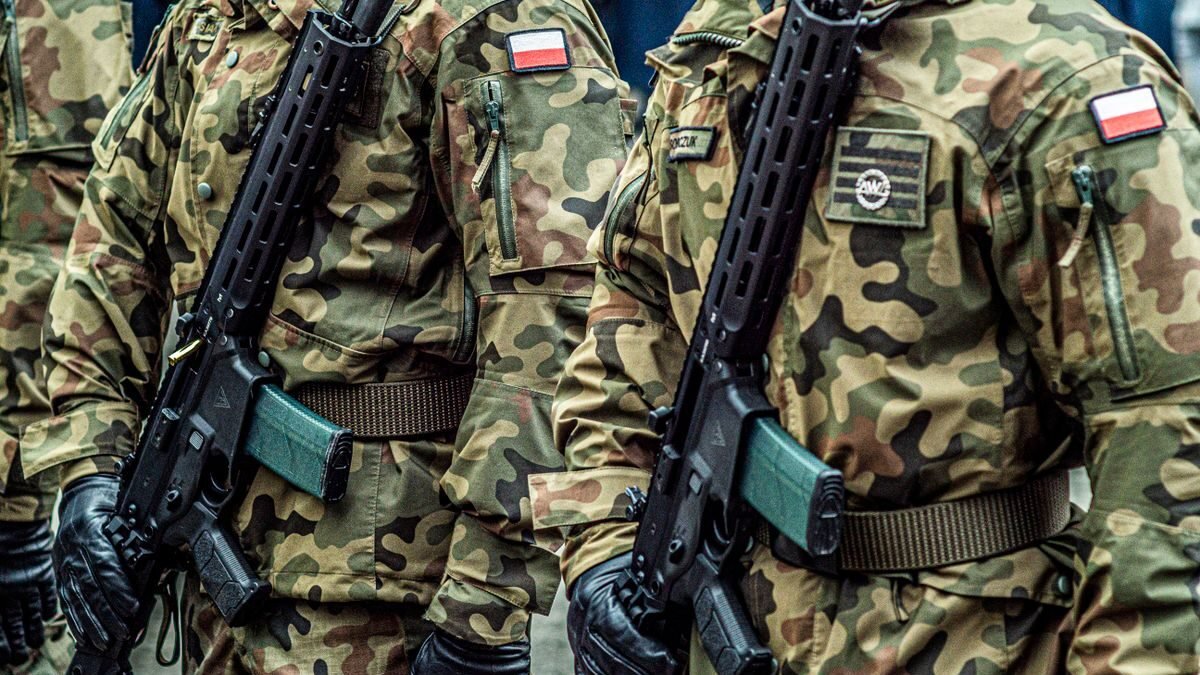
Poland committed to spending 4% of GDP on defence — more than any other NATO ally. It signed major procurement deals with the United States, South Korea and the United Kingdom, ordering K2 battle tanks, HIMARS rocket systems and F-35 fighter jets. The Polish military began its transformation into one of the most capable land forces in Europe.
2025 — Political reset in Warsaw
Following national elections, a pro-European coalition led by Donald Tusk restored Poland’s standing in Brussels after years of rule-of-law friction with the previous government. Frozen EU cohesion funds worth tens of billions of euros were unlocked, injecting capital into the Polish economy at precisely the right moment for growth.
2026 — A seat at the table
Today, Poland chairs this week’s Warsaw summit bringing together defence ministers from twelve EU states to discuss eastern flank coordination. It holds rotating influence across multiple EU councils and is considered a core member of the informal Northern Group of security-minded NATO allies alongside the Baltic states and Scandinavia.
What Poland wants now
Warsaw’s priorities are clear: permanent NATO basing on Polish soil, a stronger EU foreign policy stance on Russia, and faster progress on Ukrainian EU accession. On all three, Poland has found growing support from Baltic capitals, Helsinki and Stockholm — and, increasingly, London via bilateral channels.
The question is whether the old EU powerhouses — Germany and France — are willing to share the leadership space. Signs suggest they are beginning to accept that the EU’s strategic centre of gravity has shifted eastward. For Warsaw, that shift is not a destination. It is a starting point.