

The energy transition is happening in Europe — but it is happening at dramatically different speeds in different countries. While Denmark generates more electricity from wind than it consumes, Poland still derives over 60% of its power from coal. While Germany races to build offshore wind capacity after its nuclear phase-out, France debates whether to build new nuclear plants while its existing fleet undergoes prolonged maintenance shutdowns. The EU’s headline renewable energy targets — 42.5% of total energy consumption from renewables by 2030 — mask an enormous divergence in national trajectories. Here is where the major players actually stand.
The leaders: Scandinavia and the Iberians
Norway is not an EU member but its energy story sets the standard: nearly all of its electricity comes from hydropower, and it exports clean electricity to neighbouring countries while simultaneously being one of Europe’s largest oil and gas producers — a paradox that Norwegian politicians navigate with practiced dexterity.
Among EU members, Denmark leads on wind. Its offshore wind sector, anchored by the pioneering work of companies like Ørsted (formerly DONG Energy), now supplies the country with more electricity than it consumes on windy days, with surplus exported to Germany and Sweden. Denmark has set a 2030 target of producing electricity equivalent to 10 times its domestic consumption from renewables — an export ambition as much as a climate one.
Portugal generates over 70% of its electricity from renewables on an annual average, with hydropower and solar as the primary sources. Spain is close behind at around 60%, with wind energy playing a particularly significant role. Both countries have benefited from geography — abundant sunshine, reliable Atlantic winds, and terrain suited to large-scale installations — and from political continuity in clean energy support over successive governments.
Germany: the complicated transition
Germany’s Energiewende — energy transition — is the world’s most watched and most debated clean energy experiment. The simultaneous closure of nuclear plants (completed in 2023) and coal plants (ongoing through 2038) while expanding wind and solar has produced a system that works, but at high cost and with significant volatility. On sunny, windy days, Germany exports electricity at negative prices. On still, cloudy winter evenings, it imports heavily from France’s nuclear fleet and Nordic hydropower.
Offshore wind expansion in the North Sea is proceeding — but grid infrastructure to transport that power inland is running years behind schedule, bottlenecked by planning approvals, community opposition and a construction sector still adjusting from residential building. The contradiction between Germany’s climate ambitions, examined in our analysis of the 2040 climate target, and its domestic implementation capacity is the central tension of the Energiewende in 2026.
Central and Eastern Europe: the coal challenge
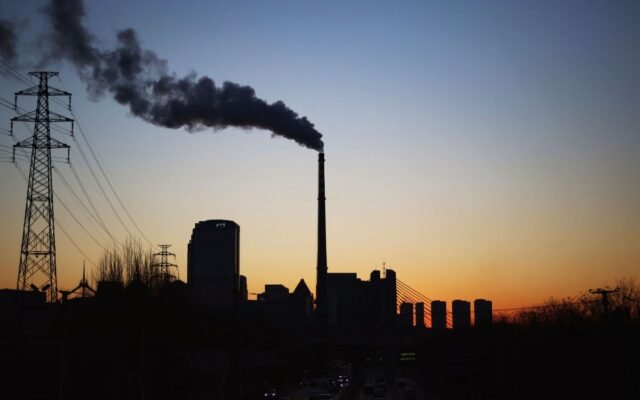
Poland, Czechia and Hungary remain significantly dependent on fossil fuels, with coal playing a particularly persistent role in Poland’s energy mix. Political resistance to rapid coal phase-out is driven by genuine concerns about energy security, regional employment in mining communities, and scepticism about whether renewables can reliably replace firm power generation capacity. EU Just Transition funding is flowing to these regions, but the pace of transition is slower than the Commission’s modelling assumes.
The positive story in CEE is the solar boom. Rooftop and ground-mounted solar has expanded rapidly across Poland, Hungary and Romania, driven by falling costs and supportive national subsidy schemes. It will not substitute for coal quickly enough to meet 2030 targets, but it is changing the energy landscape in ways that were barely imaginable five years ago.