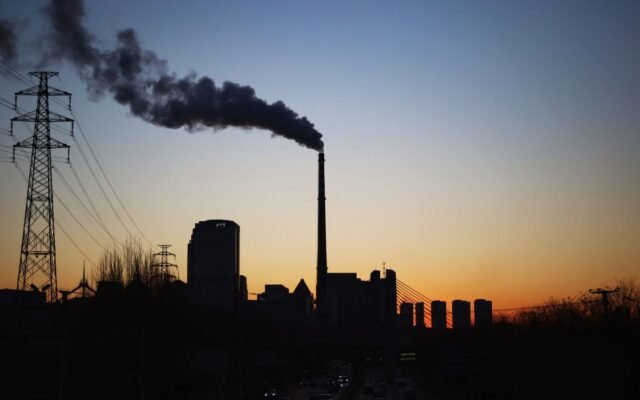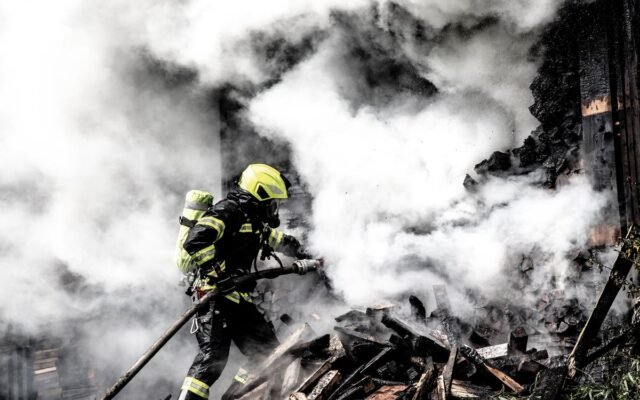

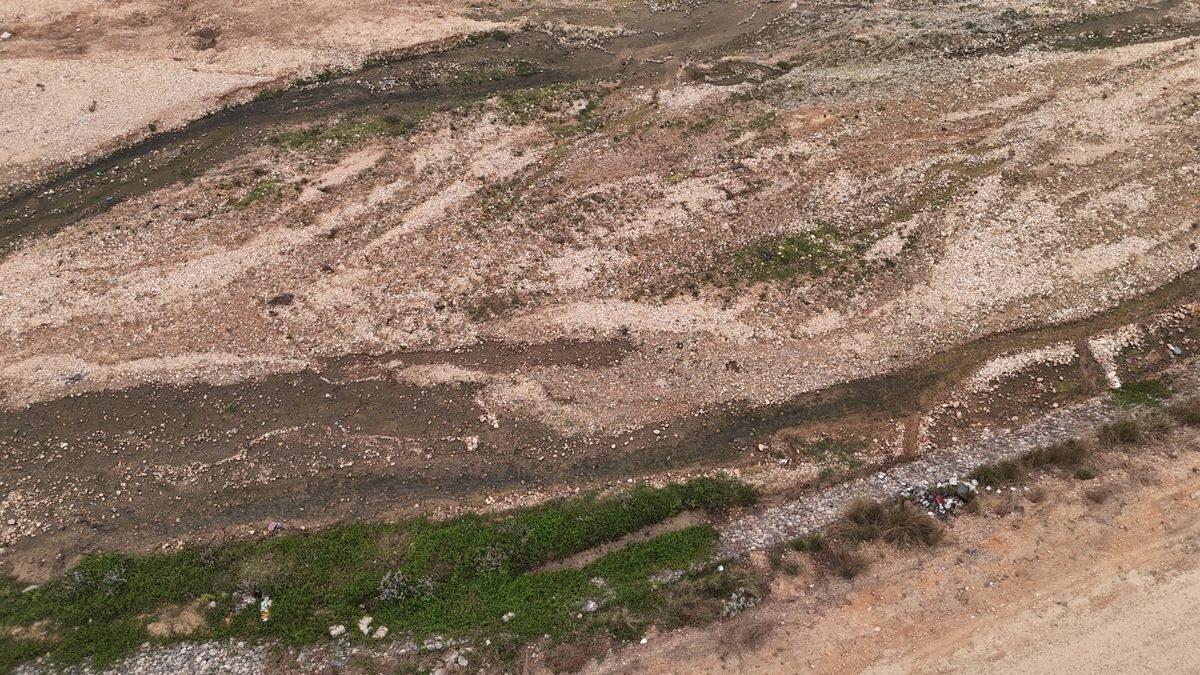
Water is Europe’s most paradoxical resource. In the same summer, Mediterranean rivers run to historic lows and central European cities are sandbagging against floodwaters. The climate change-driven intensification of the hydrological cycle is not producing uniform drought or uniform flooding — it is producing both simultaneously, in different parts of the continent, sometimes weeks apart. Managing this reality requires infrastructure, governance and planning that European countries are only beginning to adapt at the required scale.
The long drought: 1989–2015
European hydrologists trace the beginning of the modern drought pattern to the late 1980s, when precipitation patterns in the Mediterranean basin began a long-term shift that has continued with increasing intensity ever since. The Po Valley in northern Italy, historically one of Europe’s most productive agricultural regions, experienced its first severe modern drought in 2003 — the same year the catastrophic heatwave killed 70,000 Europeans. The Iberian Peninsula has experienced progressively more severe and prolonged drought conditions, with Spain’s reservoirs — critical for both agriculture and hydropower — at historically low levels in multiple years through this period. As explored in our heatwave adaptation analysis, the temperature increases driving drought are the same ones reshaping European summers more broadly.
2016–2021: The flood dimension emerges
While southern Europe dried, central and northern Europe experienced increasing frequency and severity of extreme rainfall events. The July 2021 floods in Germany’s Ahr Valley and Liège in Belgium killed over 220 people and caused €33 billion in economic damage — the deadliest natural disaster in Germany since World War Two. Climate attribution studies confirmed what climate scientists had been predicting: the same atmospheric conditions that produce prolonged heat and drought in one region produce more intense rainfall events in others, as warmer air holds more moisture and releases it in concentrated bursts.
2022–2026: Policy scramble
The Commission’s Water Resilience Strategy, announced in September 2026 in the State of the Union address reviewed in our priorities analysis, represents the EU’s most comprehensive attempt yet to address the water challenge with a policy framework commensurate to its scale. The strategy combines water efficiency targets for agriculture (which consumes approximately 70% of freshwater use across the EU), investment in water reuse infrastructure, nature-based solutions for flood management (restoring wetlands and floodplains that buffer extreme rainfall), and drought management plans for river basins.
Member state responses vary significantly. Spain, which faces the most severe drought conditions of any large EU economy, has invested heavily in desalination capacity on the Mediterranean coast — now providing a significant share of drinking water for coastal cities — and in water transfer infrastructure moving water from wetter northern regions to drier southern ones. This last approach is increasingly contested on environmental grounds. The Netherlands, the EU’s most advanced water management society, is sharing expertise on flood protection infrastructure with Belgium and Germany following the 2021 floods — an exercise in genuine EU solidarity that has been more practically effective than many high-profile European projects.
Agriculture: the hardest adaptation
Agriculture faces the deepest challenge. European farming systems, particularly in the Mediterranean region, were built for precipitation patterns that no longer exist. Drought-resistant crop varieties, precision irrigation that uses GPS and soil moisture sensors to minimise water use, and shifting crop calendars toward species better suited to warmer, drier conditions are all being adopted — but adoption rates are slow and the economics are challenging for farmers operating on thin margins.