

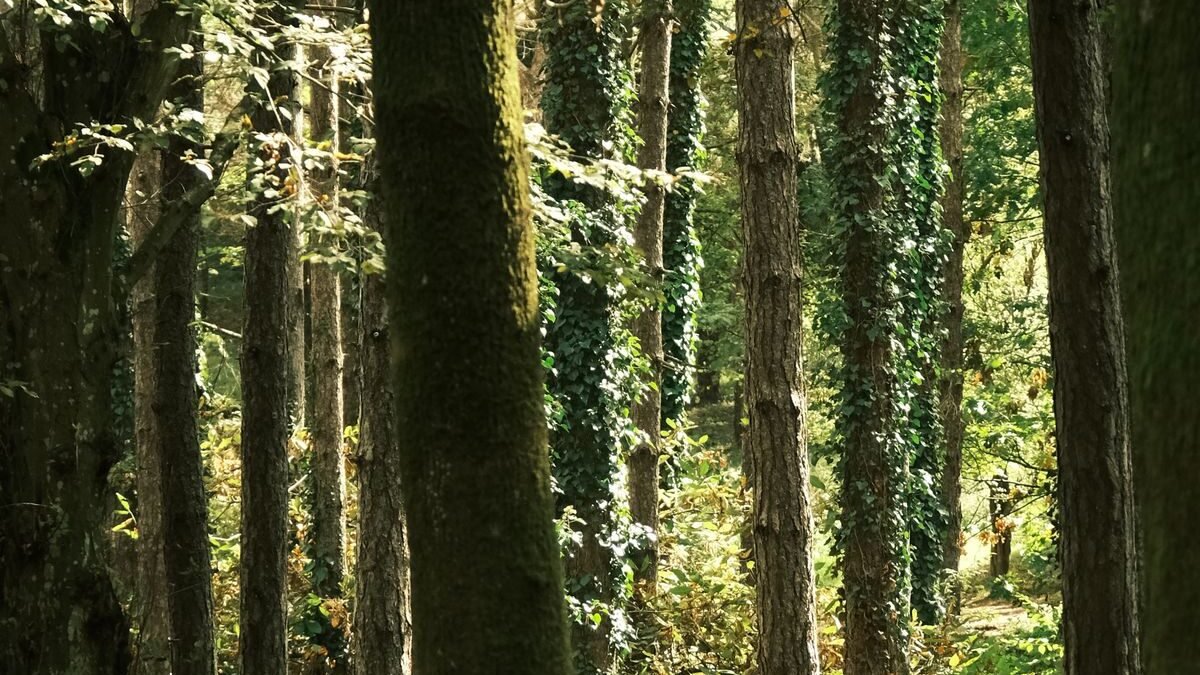
A growing body of European research is challenging how we think about mental health treatment — and the answer, it turns out, may be simpler than any prescription. As stress, anxiety and burnout rates rise sharply across the EU, scientists and public health authorities from Helsinki to Lisbon are documenting what many people already feel: time spent in natural environments delivers measurable, lasting psychological benefits.
The science behind the feeling
Dr. Maaike van den Berg, an environmental health researcher at the University of Exeter and co-author of a major study published in Nature Medicine earlier this year, has spent a decade mapping the relationship between urban green space and mental health outcomes across European cities. Her findings are striking.
“People who live within 300 metres of a park or woodland show significantly lower rates of depression and anxiety compared to those who do not — even after controlling for income, age and social support,” van den Berg explains. “The effect size is comparable to the benefit of regular physical exercise.”
Three biological pathways appear most significant: reduction in cortisol — the primary stress hormone — restoration of attention capacity after mental fatigue, and increased social interaction in outdoor settings. Each operates independently, which means even a solitary walk through a city park can trigger multiple beneficial responses simultaneously.
Health systems translating research into policy
Finland has been the most aggressive in converting evidence into practice. Since 2024, Finnish GPs have been issuing nature prescriptions — formal recommendations for patients to spend at least 120 minutes per week in natural settings, tracked via a national health app. Early results from the two-year pilot, published by the Finnish Institute for Health and Welfare (THL) last month, show a 22% reduction in anxiety medication use among participants.
The Netherlands has followed a similar path. The Groen Recept scheme, operating across Amsterdam, Rotterdam and Utrecht since early 2025, links patients with local guided walks led by trained volunteers. Participation has exceeded projections by 40%, with particularly strong uptake among working-age men aged 30–50 — a demographic historically reluctant to engage with mental health services.
In Germany, the concept of Waldtherapie — forest therapy adapted from the Japanese practice of Shinrin-yoku — has gained mainstream medical acceptance. The German Medical Association now includes structured nature exposure in its updated clinical guidelines for mild-to-moderate depression.
Cities matter most
The urgency is urban. More than 75% of Europeans now live in cities, and urban populations consistently report higher rates of psychological distress than rural ones. Dr. Mateus Alves, a public health researcher at the Universidade Nova de Lisboa, frames it as an infrastructure question as much as a health one.
“When we build a park in a dense neighbourhood, we are building a clinic,” Alves said at a European Commission symposium in Brussels last spring. “The return on investment, measured in reduced healthcare costs alone, is substantial and well within ranges that justify public expenditure.”
The EU has begun to reflect this understanding in law. The recently adopted Urban Green Infrastructure Strategy sets binding minimum green space standards for cities above 100,000 residents — the first time European urban planning legislation has treated green space as a health requirement rather than an amenity. For millions of Europeans already carrying the weight of working life, that shift in framing could matter enormously.