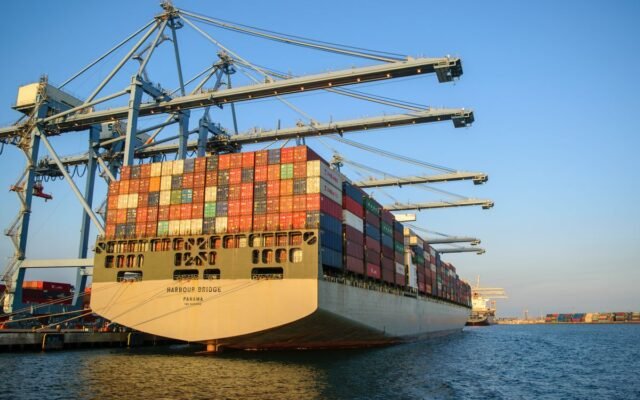


The EU-US trade relationship is the world’s largest bilateral trade and investment partnership, covering roughly €1.5 trillion in annual goods and services exchange. It has also been one of the most persistently contested, lurching between cooperation and confrontation in ways that reflect both the genuine convergence of transatlantic interests and the structural tensions between two large economic blocs with different regulatory philosophies and domestic political pressures. This summer, with a new round of trade negotiations underway and several disputes still unresolved, the relationship is at another inflection point.
The tariff history that defines the present
The EU-US trade dispute of 2018–2021 — triggered by the Trump administration’s steel and aluminium tariffs, which Brussels challenged as a violation of WTO rules — ended with a provisional truce rather than a resolution. Tariffs on steel and aluminium were suspended, not eliminated, pending a long-term agreement on global steel overcapacity that has not materialised. The underlying tensions — over US Buy American preferences, the EU’s digital services taxes, and divergent approaches to agricultural trade — have simmered throughout the subsequent years.
The Inflation Reduction Act: a turning point
The Biden administration’s Inflation Reduction Act, signed in 2022, created the most serious transatlantic trade friction since the steel dispute. Its electric vehicle subsidies, restricted to vehicles manufactured in North America, were seen in Brussels as a direct violation of WTO non-discrimination principles and a subsidy programme that would divert clean energy investment from Europe to the United States. The EU’s response — accelerating its own green industrial subsidies through the Net Zero Industry Act and relaxing state aid rules — reflected a recognition that the era of pure multilateral trade liberalisation was over and that industrial policy competition between major economies was the new normal.
The current negotiating landscape
Trade Commissioner Maros Sefcovic and his US counterpart have been conducting regular dialogue sessions through 2026, focused on four main areas: reducing remaining tariff frictions on steel and aluminium; advancing regulatory cooperation on pharmaceuticals, medical devices and data flows; establishing a common framework for AI governance; and managing the tensions around EV and clean technology subsidies. Progress has been incremental. The political incentives on both sides of the Atlantic for a comprehensive trade deal — which would require significant domestic legislative action — remain weak.
The broader context shapes everything. As explored in our coverage of European security reorientation and the war in Ukraine, the transatlantic relationship is simultaneously under strategic pressure — with European capitals questioning the durability of American security commitments — and indispensable for the foreseeable future. This combination of dependency and anxiety makes purely transactional trade negotiations harder, not easier.
What comes next
The trend that most concerns European trade officials is not any specific tariff but the structural direction of US trade policy. Bipartisan support for protectionist measures — on steel, semiconductors, electric vehicles, pharmaceuticals — has proved durable across administrations of both parties. The question for Brussels is not whether the US will become more open to trade, but how to navigate a world in which its most important security partner is also its most significant trade policy challenge. Managing that paradox diplomatically, without either capitulating or escalating into a damaging trade war, is the defining task for European trade policy over the next decade.