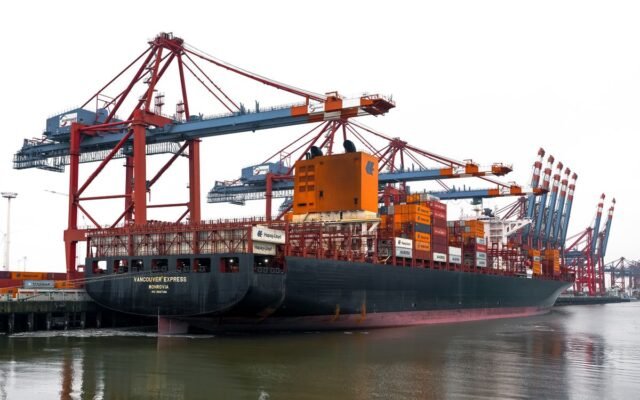

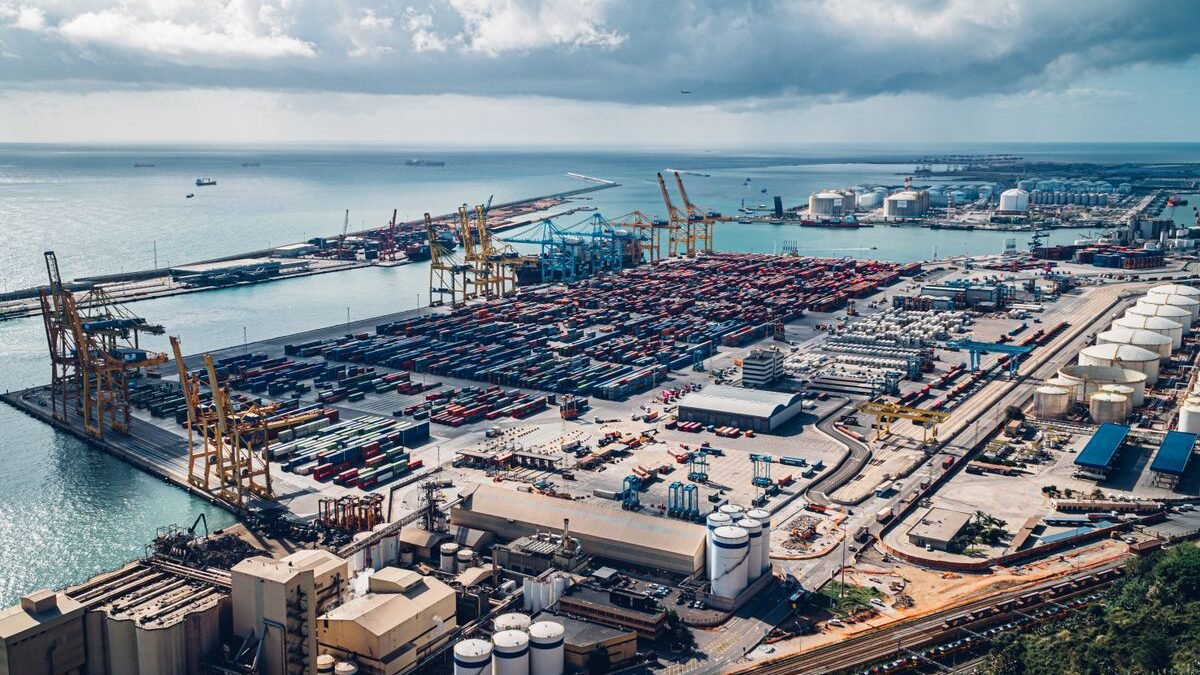
In the port of Piraeus, China’s COSCO Shipping has operated a majority-controlled concession since 2016, transforming the port into one of the Mediterranean’s largest container hubs and a central node in China’s Belt and Road Initiative. In Serbia, Chinese companies have built the highway from Belgrade to the Hungarian border and operate a coal-fired power plant. In Hungary, a Chinese-financed rail line connecting Budapest to Belgrade is under construction. In Germany, Chinese companies hold significant stakes in Hamburg port’s container terminal, in several automotive component manufacturers, and in a growing list of technology firms. The picture of Chinese economic presence in Europe is not uniform or monolithic — but it is more substantial, more varied, and more strategically significant than public debate in most EU member states has acknowledged.
How the footprint grew
Chinese investment in Europe began accelerating around 2012–2013, driven initially by Chinese companies’ search for European technology and brands — acquisitions in robotics, automotive technology, healthcare and luxury goods. The Belt and Road Initiative, launched in 2013, added an infrastructure dimension, particularly in Central and Eastern Europe where the “17+1” format (now effectively “14+1” after several country withdrawals) provided a diplomatic framework for Chinese engagement with EU member states outside the EU’s own framework.
The investment flows peaked around 2016–2017 and have since moderated, partly because Chinese capital controls tightened and partly because EU member states and the EU itself developed FDI screening mechanisms that review acquisitions for national security implications. The EU’s FDI regulation, in force since 2020, created a framework for member state screening and information sharing — though it does not give the EU Commission veto power over individual investments, leaving final decisions with member states.
The ports story: why it matters
The focus on port infrastructure reflects a specific strategic concern. Ports are dual-use infrastructure — they serve commercial shipping, but they also sit at the intersection of logistics networks that have military and security significance. A port operator with Chinese state links has theoretical access to cargo information, shipping schedules, and port security arrangements. Whether COSCO’s Piraeus operations create actual intelligence risks is contested among security analysts, but the question is no longer considered paranoid to ask. As explored in our EU-China trade and risk analysis and the broader supply chain dependency coverage, the strategic infrastructure dimension of Chinese investment has become a priority concern for European security services.
The divergent national responses
EU member states are not responding uniformly. Germany, which has the largest Chinese economic exposure among EU countries — Volkswagen, BASF and BMW all have major China operations — has been cautious about restricting Chinese investment for fear of retaliation against German companies in China. The Netherlands, France and Italy have been more restrictive, applying FDI screening to a broader range of acquisitions. Hungary has been conspicuously welcoming — its BYD electric vehicle factory, Chinese battery gigafactory, and the Budapest-Belgrade railway all represent Chinese investment specifically encouraged by Budapest, in a pattern that has raised concerns in Brussels about a member state creating a Chinese economic bridgehead inside the EU. Managing Chinese influence in Europe, in short, requires managing not just the external relationship but also the internal divergences within the EU that external actors have shown considerable skill at exploiting.