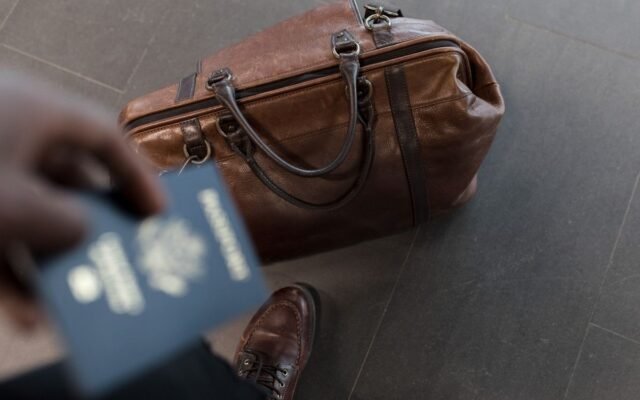

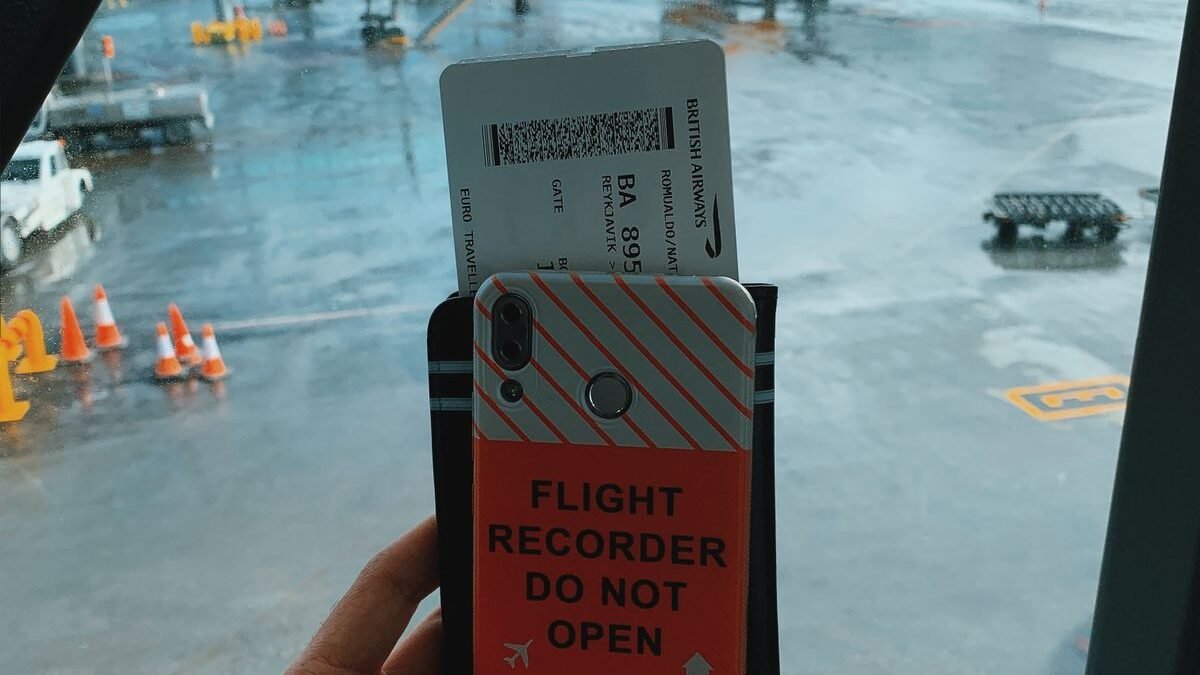
Starting in the coming months, citizens of more than sixty countries who currently travel to EU member states without a visa will need to obtain advance permission to enter. The European Travel Information and Authorisation System — ETIAS — is the EU’s answer to similar pre-clearance systems already operating in the United States, Canada and Australia. If you hold a passport from an affected country, here is what you actually need to know.
- ETIAS applies to nationals of approximately 60 visa-exempt countries, including the UK, USA, Canada, Australia and Japan.
- The fee is €7 for applicants aged 18–70. Under-18s and over-70s are exempt from the charge.
- An approved authorisation is valid for three years or until the passport expires, whichever comes first.
- Each authorisation allows multiple entries, with stays of up to 90 days in any 180-day period.
- The application takes approximately 10 minutes and is completed entirely online.
Who needs ETIAS — and who does not
ETIAS is not a visa. It is a pre-travel security and eligibility check — closer in concept to the American ESTA or the UK’s Electronic Travel Authorisation. Nationals of countries that already require a full Schengen visa to enter the EU are not affected; ETIAS applies only to those who are currently visa-exempt. That includes British citizens following Brexit, Americans, Canadians, Australians, New Zealanders, Japanese nationals, South Koreans, and dozens of other nationalities.
EU and EEA citizens, Swiss nationals, and Andorrans are entirely exempt. If you hold an EU passport, nothing changes for you.
How the application works
The process is designed to be quick and fully digital. Applicants visit the official ETIAS website, enter basic personal information, answer a short security questionnaire similar to those on the US ESTA or Canadian eTA forms, pay the €7 fee, and submit. In the vast majority of cases, approval is automated and arrives within minutes. A small proportion of applications are referred for manual review — these can take up to four weeks, so regular travellers are advised not to leave registration until the eve of a trip.
The authorisation is linked to the specific passport used to apply. If your passport expires, so does the ETIAS authorisation, even if the three-year validity window has not elapsed.
Why the EU is introducing it now
The system was first proposed by the European Commission in 2016, following a series of terrorist attacks across European cities and growing pressure to improve pre-border screening. It has been refined and delayed multiple times since. The EU’s stated objectives are to improve security screening before travellers reach the Schengen border, to reduce irregular migration, and to facilitate faster crossings by pre-clearing travellers electronically.
The broader context is one of heightened security consciousness across the continent. As our recent coverage of the Baltic states’ security posture and Poland’s evolving role in European security has shown, the EU’s approach to its external frontiers has shifted significantly since 2022 — and ETIAS is a direct expression of that shift in the civilian travel domain.
What travellers should do now
Airlines and cruise operators will be required to verify ETIAS status before boarding, meaning that arriving at check-in without authorisation results in denied travel — not a border queue. The advice from EU officials is straightforward: register as soon as the application portal opens, do not wait until your next trip, and ensure your travel documents are current.
For most travellers, ETIAS will be a ten-minute task done once every three years. For the EU, it represents a meaningful upgrade in its ability to screen who is entering the Schengen Area before they arrive at the frontier.