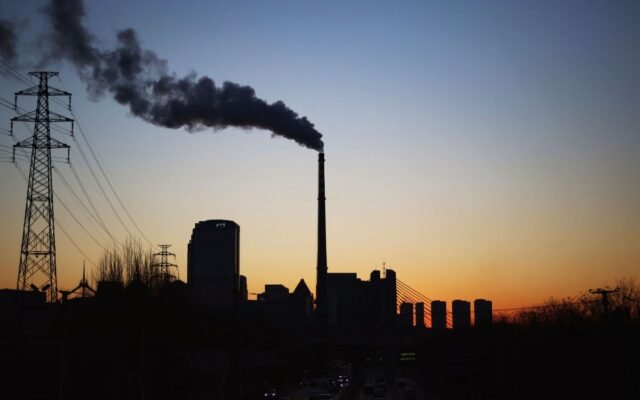

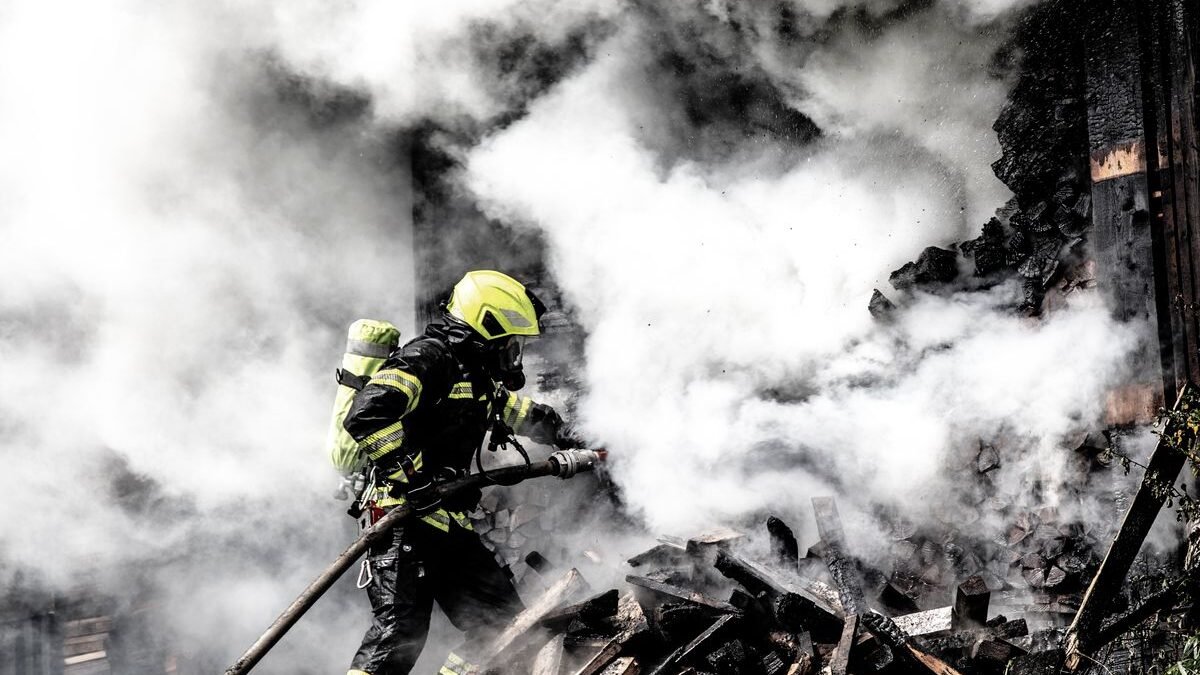
The satellite images arrive before the news reports. Smoke plumes visible from orbit, orange-red patches on otherwise green coastlines, the grey-brown haze that hangs over the Aegean and the western Mediterranean coast for days at a time. Wildfire season in southern Europe has become one of the most visible manifestations of climate change on the continent — and one of the most immediate. This year, fires burned across Greece, Portugal, Spain, France and Italy, destroying tens of thousands of hectares, displacing communities, killing dozens and generating economic and ecological losses that accumulate with each passing season.
A season that became a structural condition
Describing what happens each summer as a “wildfire season” already contains a concession that the framing is outdated. The Mediterranean fire risk period has extended significantly: fires that once concentrated in July and August now regularly ignite in May and June, and persist into October. The fuel load has increased as rural abandonment leaves formerly farmed or grazed land covered in dry vegetation. The ignition risk has not changed — lightning, agricultural accidents, arson, and carelessly discarded cigarettes have always started Mediterranean fires — but the conditions that allow small fires to become catastrophic ones have worsened dramatically with rising temperatures and more severe drought periods.
As explored in our heatwave and city adaptation analysis and the COP 2026 assessment, the underlying driver is climate change — not as a distant abstraction, but as a present reality reshaping what is possible in Mediterranean landscapes. The fires are not an anomaly interrupting normal conditions. They are increasingly becoming the normal condition itself.
Prevention: where the evidence points
Wildfire researchers are increasingly clear that suppression — fighting fires once they start — cannot substitute for prevention. Studies of the most successful fire prevention programmes consistently identify three elements: active landscape management (controlled burns, firebreaks, clearing of dry fuel loads), spatial planning that limits construction in high-risk zones, and early detection systems that allow initial attack before fires grow beyond suppression capacity.
Portugal, which suffered catastrophic losses in 2017 that killed over 100 people, has implemented the most comprehensive post-crisis reform programme in Europe. The creation of a national integrated fire management system, mandatory firebreak requirements around buildings in high-risk areas, and investment in early detection technology have measurably reduced fire losses in the years since — though 2025’s exceptionally dry conditions tested the system severely. Spain has accelerated controlled burn programmes, though the cultural resistance to planned burning as a management tool remains significant in some regions.
The EU response: rescEU and its limits
The EU’s Civil Protection Mechanism, and the rescEU capacity it created, allows member states to request and receive aerial firefighting resources — water bombers, helicopters, ground crews — from other countries when national capacity is overwhelmed. In practice, the system works: Greek fires have received Portuguese and French aerial support; Italian fires have drawn on Croatian and Spanish resources. What rescEU cannot do is compensate for systematic underinvestment in national firefighting capacity, or substitute for the landscape management and spatial planning decisions that determine how badly fires spread once they ignite. It is a crisis response mechanism, not a prevention system. And in a Mediterranean region where fire conditions are becoming more severe each decade, crisis response without prevention is not a sustainable strategy.