

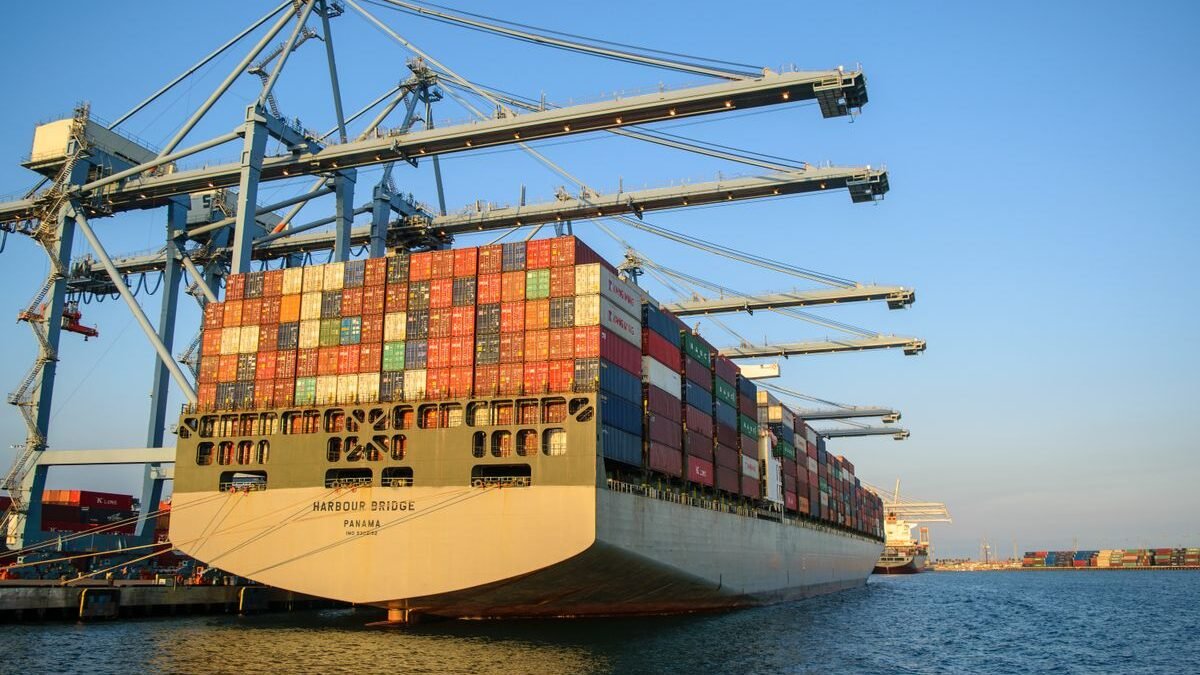
After more than twenty years of negotiations, false starts, environmental controversies and political recriminations, the EU-Mercosur Association Agreement is moving toward ratification. The deal — covering trade between the EU’s 450 million consumers and the four Mercosur countries (Brazil, Argentina, Uruguay and Paraguay) with a combined population of 280 million — would create the world’s largest bilateral trade area by population. Whether it will deliver the economic benefits its proponents promise, without the environmental and social costs its critics fear, is one of the most consequential trade policy questions Europe faces.
What the deal actually covers
The trade element of the EU-Mercosur agreement eliminates tariffs on approximately 91% of EU exports to Mercosur countries — primarily manufactured goods, vehicles, chemicals, pharmaceuticals and machinery — and around 93% of Mercosur exports to the EU, with particular benefits for agricultural products including beef, poultry, sugar, ethanol and orange juice. For EU exporters, the elimination of Mercosur tariffs that can currently reach 35% on vehicles and machinery is economically significant. For European agricultural producers, the increase in Mercosur food imports — at lower production costs than European equivalents — is the source of sustained opposition.
The French farmer problem — and the sustainability chapter
Opposition from French and Irish farmers has been the most politically visible obstacle to EU-Mercosur ratification. The concern is straightforward: Brazilian beef produced under less stringent environmental and animal welfare standards than EU regulations require, and at lower cost, will undercut European producers in their own market. Successive French governments have threatened to veto the deal unless a “mirror clause” — requiring imported food products to meet EU production standards — is included.
The Commission has responded with an enhanced sustainability chapter, including commitments from Mercosur countries on deforestation, the Paris Agreement and labour rights enforcement. Environmental organisations have argued these commitments lack the binding enforcement mechanisms that would make them effective — a concern with some empirical basis given the track record of non-enforcement in previous EU trade agreement environmental provisions.
The strategic dimension
Beyond the economics, the Mercosur deal has an increasingly prominent strategic rationale. China has expanded its economic presence in South America dramatically over the past two decades, providing infrastructure financing, purchasing agricultural commodities and building trade relationships that have reduced the region’s historical orientation toward European and North American partners. As examined in our EU-China trade analysis and global trade shifts coverage, the EU has identified deepening trade relationships with democratic partners as a strategic priority — providing alternatives to Chinese economic ties for countries that want them. From this perspective, the Mercosur deal is as much about geopolitics as it is about tariff schedules.
Whether ratification can survive the political process — which requires qualified majority approval in the Council and majority approval in the European Parliament, followed by national parliamentary ratification in each member state — remains uncertain. The deal’s opponents are numerous and well-organised. Its proponents are correct that the strategic window for building a more diversified global trade architecture may not remain open indefinitely.

