
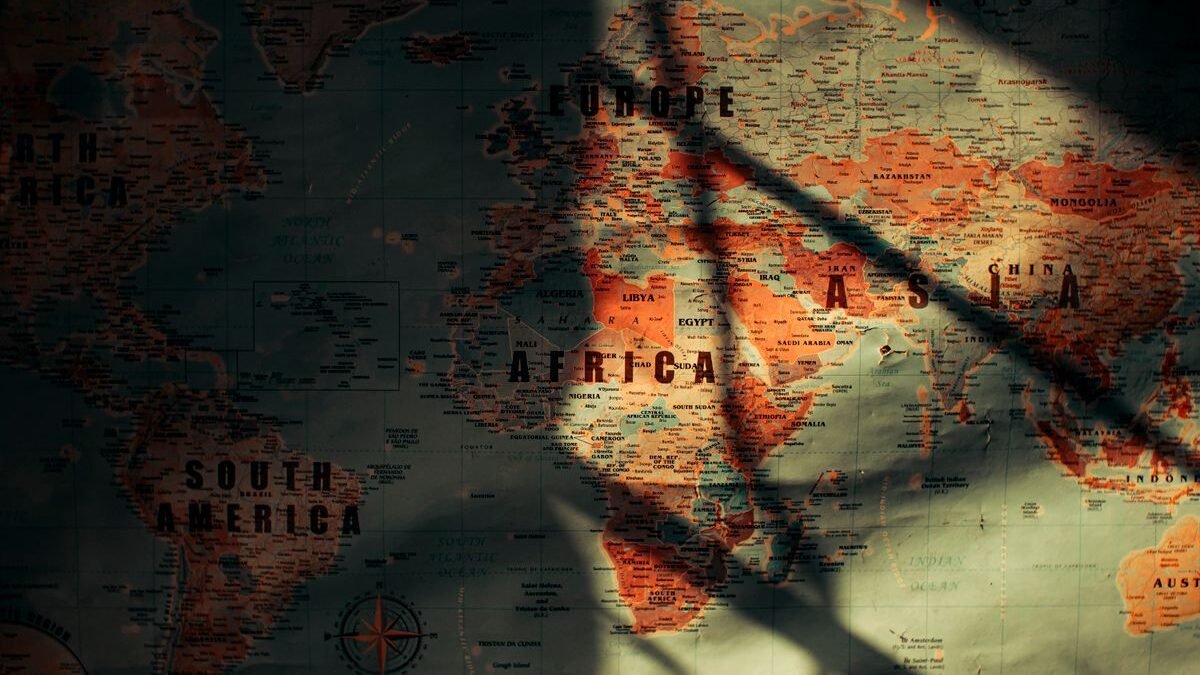
The relationship between Europe and Africa has been defined, for most of its modern history, by asymmetry — of power, wealth, and the ability to set the terms of engagement. That asymmetry has not disappeared. But it is changing. African governments are negotiating with European partners with more confidence and more alternatives than they have had since independence. China, the Gulf states, Russia and Turkey have all expanded their presence on the continent, reducing the default dependency on European relationships. And a new generation of African leaders is demanding partnerships built on genuinely mutual interest rather than donor-recipient dynamics that have outlasted their legitimacy.
The traditional framework: development aid and trade preferences
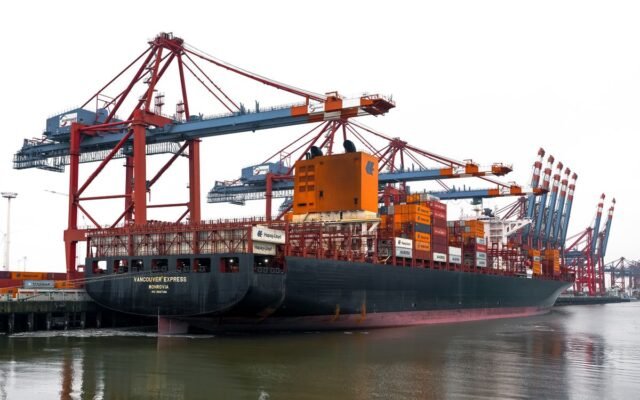
The EU’s relationship with African countries was structured for decades around two pillars: development aid channelled through the European Development Fund, and trade preferences that gave African exports preferential access to the EU market under the Cotonou Agreement and its predecessors. Both reflected a fundamentally hierarchical dynamic: Europe decided how much aid to provide and under what conditions; African producers benefited from market access to sell agricultural commodities, raw materials and labour-intensive goods to European consumers.
This framework delivered some genuine benefits — improved health outcomes, infrastructure investment, agricultural development — but also reproduced dependency, distorted incentives, and channelled money in ways that often served European strategic interests as much as African development needs. The critique that development aid has perpetuated rather than resolved African poverty is not new, but it has gained sharper political edge as African governments and civil society have articulated it more directly.
The competing powers dynamic
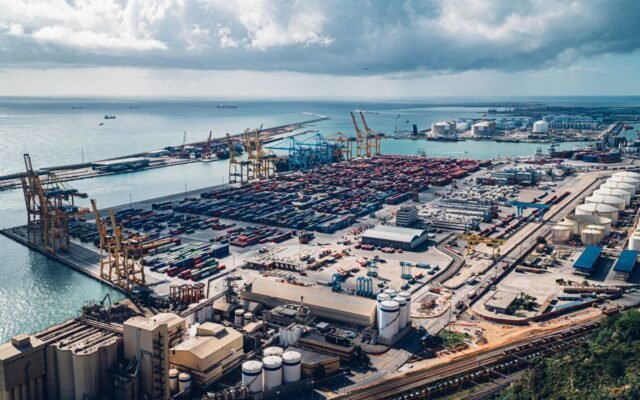
China’s Belt and Road infrastructure investment across Africa changed the game. African governments that had few alternatives to European or World Bank terms for infrastructure financing suddenly had a Chinese counterpart willing to build roads, ports, railways and power stations with fewer governance conditionalities and faster implementation timelines. The trade-offs — higher debt loads, less technology transfer, Chinese labour preferences — are real, but so is the genuine value of infrastructure that would otherwise not have been built. Russia’s expanded presence through the Wagner Group and its successors in Mali, Burkina Faso, Niger and Central African Republic offers security cooperation to governments that have grown frustrated with French military intervention. For European policymakers, these alternatives have been a wake-up call.
What the EU’s new approach looks like
The EU-AU Summit of 2022 and the subsequent implementation of the Global Gateway’s Africa strategy represent Brussels’ attempt to reframe the relationship around “Team Europe” investment packages that combine EU institutions, member state development banks and private sector capital. As examined in our critical raw materials analysis, part of the motivation is explicitly strategic: Europe needs African minerals, and the partnership framework is partly designed to ensure access on terms that don’t cede that relationship entirely to China.
The harder question — whether European governments are willing to adjust trade rules, intellectual property frameworks and agricultural subsidies in ways that genuinely benefit African economies at cost to European producers — has not been answered positively. The Mercosur deal discussions and European agricultural protectionism, as covered in our trade agreements analysis, illustrate the limits of European market opening when domestic interests are affected. A genuinely equal partnership with Africa would require more difficult choices than European leaders have yet been willing to make.