
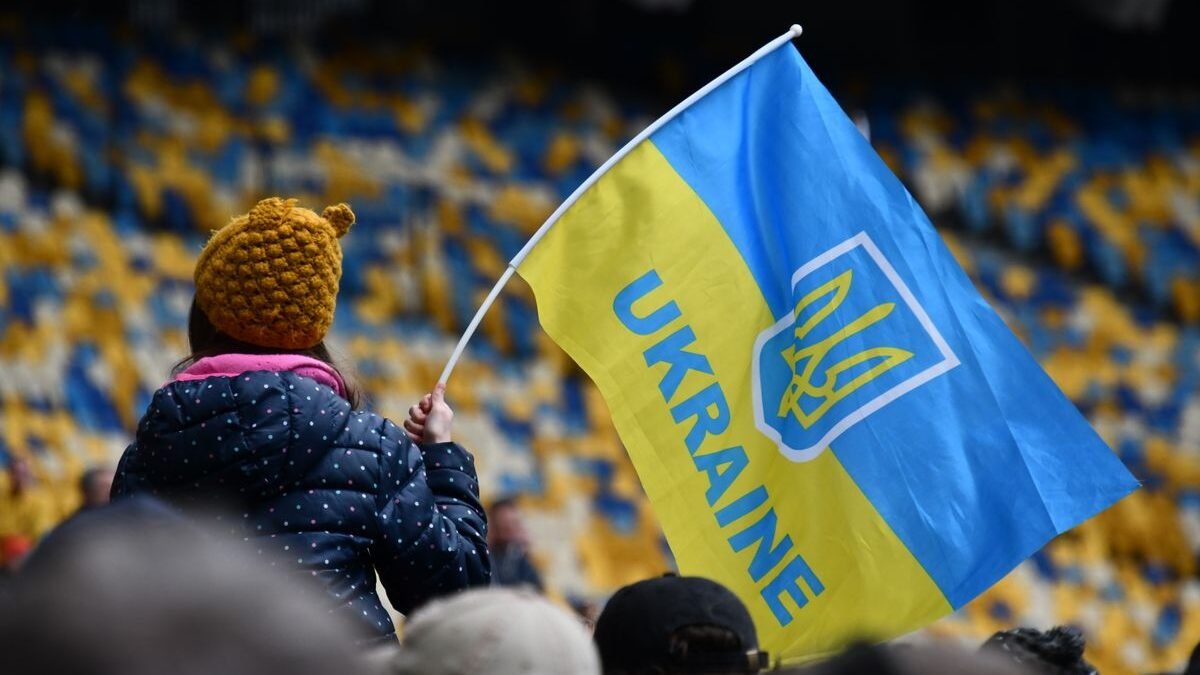
Two countries, very different in size, both navigating accession negotiations while managing the weight of proximity to Russia. Ukraine and Moldova received EU candidate status on the same day in June 2022 — a historic moment that linked their European futures from the start. Now, more than four years into their candidate status, they are at different points on the accession journey but share a common challenge: maintaining the momentum of reform under conditions of extraordinary external pressure.
Ukraine: reform in wartime
That Ukraine has made any progress on EU accession while fighting a full-scale war on its own territory is, by the assessment of Commission officials who deal with it, genuinely remarkable. The accession process requires legislative alignment with the EU acquis across dozens of policy areas, judicial and anti-corruption reforms, and institution-building that would challenge a country in peacetime. Ukraine has managed to advance on multiple fronts simultaneously — sometimes because the war has created political space for reforms that would have been blocked by entrenched interests in more normal conditions.
The key challenges remain anti-corruption and rule of law. Ukraine’s constitutional court, its prosecution service, and its anti-corruption institutions have all undergone significant reform pressure from Brussels. Progress has been genuine but uneven: the National Anti-Corruption Bureau has pursued high-profile cases that would have been inconceivable under previous administrations, but cases involving powerful wartime interests have progressed more slowly. The Commission’s latest progress report acknowledged advances while identifying specific areas — particularly judicial independence and the prosecution of corrupt public officials — where implementation needed to accelerate.
Moldova: the smaller success story
Moldova’s accession process has, in relative terms, been smoother. The country is small (population 2.6 million) and its EU integration task, while significant, is proportionally more manageable than Ukraine’s. The governing Party of Action and Solidarity has implemented a reform agenda that has consistently impressed Commission evaluators — on judicial reform, energy market integration, transport connectivity and anti-corruption legislation. Moldova joined the European Energy Community in 2023 and has been progressively disconnecting from the Russian electricity grid, completing its synchronisation with the European network this year.
The security dimension is real but different from Ukraine’s. The frozen conflict in Transnistria — Russia’s military presence in a strip of Moldovan territory — creates a permanent background vulnerability. Russian gas dependency, only partly resolved by the energy transition, has been used as leverage against Chișinău repeatedly. The EU has provided significant financial support — Moldova’s external financing needs during this period are proportionally among the largest for any EU candidate — and has been explicit that its continued commitment is tied to Moldova’s reform performance and its democratic trajectory.
What their membership would mean for the EU
Ukraine’s eventual accession — still years away, with realistic scenarios ranging from early-to-mid 2030s to 2040 depending on the war’s resolution and the pace of reform — would be the most transformative enlargement in the EU’s history. As examined in our enlargement analysis, Ukraine’s agricultural sector would radically alter CAP dynamics; its regional development needs would require structural fund reform; and its security imperatives would reshape EU defence policy in ways that would affect every member state. Moldova’s accession, coming first if the current trajectory holds, would be significant but proportionally smaller in impact — a proof-of-concept for the Eastern Partnership accession process that would clear the path for Ukraine.