
The clean energy transition and the digital economy share a hidden dependency: both require large quantities of specific minerals whose supply chains are among the most geographically concentrated on earth. Lithium, cobalt, nickel, manganese, rare earth elements, silicon, gallium, germanium — the periodic table’s answer to the demands of electric vehicles, wind turbines, semiconductors and defence systems — are extracted in a small number of countries and, more significantly, processed in an even smaller number. Europe mines little of them. It processes almost none. And it needs vastly more than it currently has access to if its climate and industrial ambitions are to be realised.
The dependency map
The EU’s Critical Raw Materials Act, adopted in 2024, formally identified 34 materials as strategic, defining strategic as both critical (high economic importance, high supply risk) and necessary for clean energy and defence industries. The dependency picture is stark. Europe relies on China for 98% of its rare earth element supply, 93% of its magnesium, and significant proportions of lithium, cobalt and graphite processing. Single-country dependency of this scale creates strategic vulnerability that has moved from an academic concern to a political priority — accelerated by China’s export controls on germanium and gallium in 2023, which sent a clear signal that critical mineral trade could become a geopolitical instrument.
As explored in our supply chain resilience analysis and the EU-China trade piece, the structural lesson of the past four years has been that optimising for cost produces efficient supply chains that are strategically fragile.
What Europe is doing about it
The Critical Raw Materials Act sets binding targets: by 2030, the EU should be able to produce domestically at least 10% of its annual consumption of strategic minerals, process at least 40% domestically, and ensure no single country provides more than 65% of EU supply for any strategic material. These targets require a significant shift from current baselines — not impossible, but ambitious given the timelines involved in opening new mines and building processing capacity.
The EU has accelerated strategic partnerships with resource-rich countries, particularly in Africa, Canada, Australia and Latin America. The Global Gateway initiative — the EU’s infrastructure investment programme designed to offer an alternative to China’s Belt and Road — is channelling investment toward mining and processing infrastructure in partner countries. Namibia, Chile, Kazakhstan and the Democratic Republic of Congo have all been identified as priority partnership countries for specific minerals.
Domestic prospects: Europe’s untapped geology
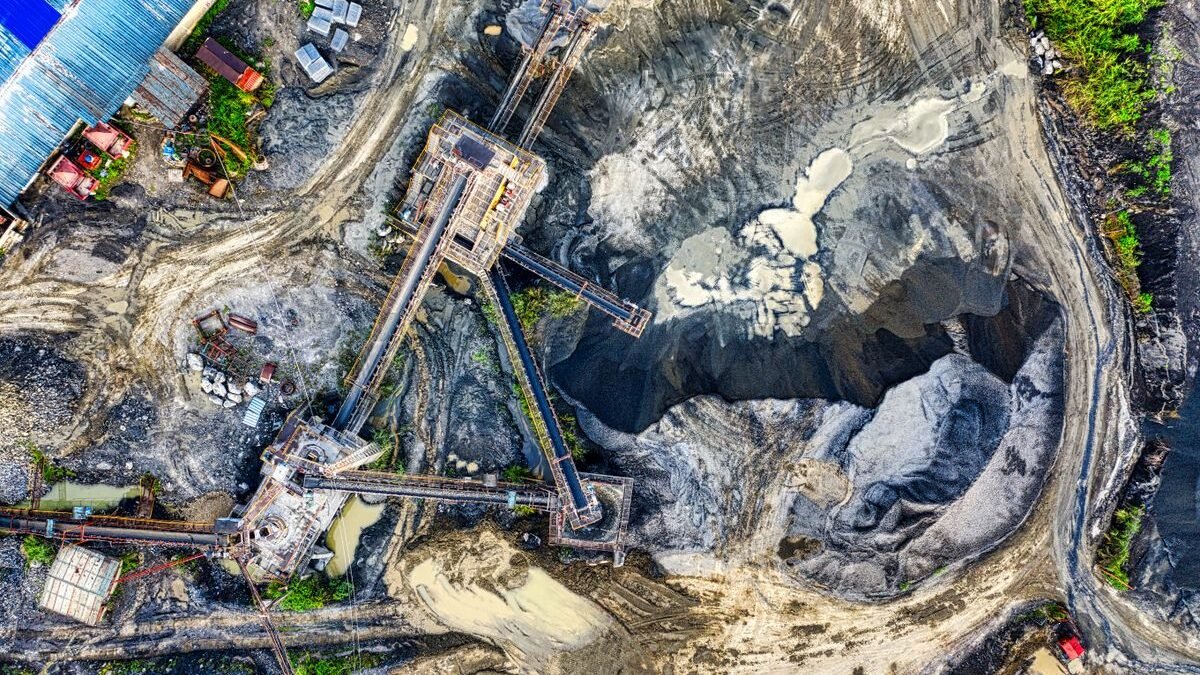
Europe is not without resources. Sweden has significant rare earth deposits — the Kiruna rare earth discovery in 2023 was one of the largest in the world — but developing a mine from discovery to production takes 10–15 years under current planning frameworks. Portugal has lithium deposits; Czech Republic has lithium; Finland and Norway have significant battery mineral resources. The EU’s Critical Raw Materials Act also includes provisions to accelerate permitting for strategic mining projects — a politically sensitive area given that mining can conflict with environmental protection, local community rights, and the very climate objectives that make the minerals necessary in the first place.