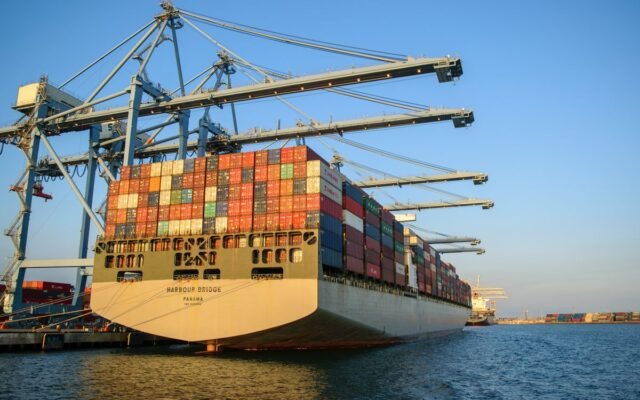

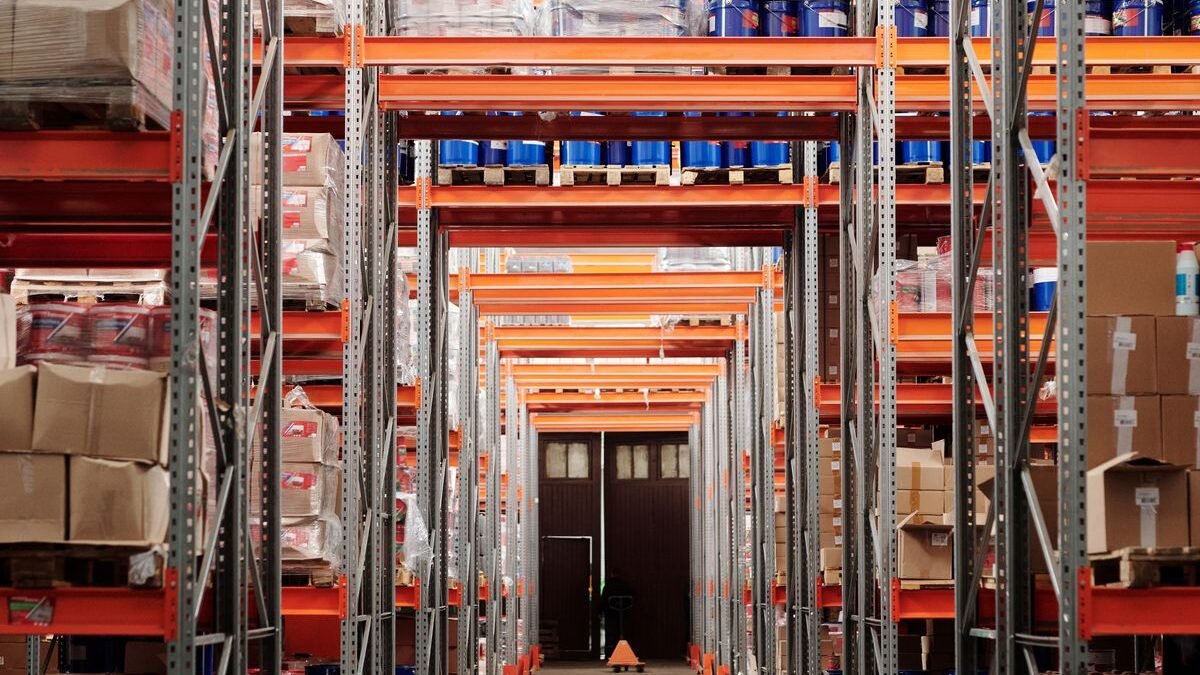
The phrase “supply chain resilience” would have meant little to most Europeans before 2020. The pandemic changed that. Empty supermarket shelves, semiconductor shortages that idled car factories, PPE that could not be sourced domestically at any price — the vulnerabilities that decades of global production optimisation had created became impossible to ignore. Then Russia’s invasion of Ukraine added energy supply chains to the list. Two crises in two years compressed what might have been a decade of policy rethinking into an urgent reprioritisation that is still working its way through European industrial strategy, procurement policy and trade agreements.
What Europe depends on and why
The EU’s strategic dependency map has been painstakingly assembled by the Commission over the past four years through successive analyses of critical imports. The findings are sobering. Europe depends on China for processing approximately 85% of the rare earth elements used in EV motors and wind turbines. It imports over 90% of its lithium and cobalt requirements — the battery minerals essential for the energy transition — from a small number of sources. Pharmaceutical active ingredients are manufactured overwhelmingly in India and China. Advanced semiconductor chips come almost entirely from Taiwan and South Korea, with no significant EU domestic production. These dependencies are not academic concerns: each represents a chokepoint that an adversary or a market disruption could exploit to damage European economic or security interests.
As explored in our global trade shifts analysis and the EU-China dependency piece, the combination of China’s dominant position in critical material processing and the broader shift toward more contested global trade creates a structural vulnerability that European policymakers are treating with more urgency than at any previous point.
What Europe is doing about it
The EU’s Critical Raw Materials Act, adopted in 2024, sets targets for domestic production and processing of strategic minerals and diversified sourcing requirements that reduce single-country dependency. The EU Chips Act provides €43 billion in subsidies and support to attract semiconductor manufacturing to Europe, with Intel’s planned facility in Germany and TSMC’s joint venture in Dresden as the headline investments. The Net Zero Industry Act provides state aid frameworks for clean technology manufacturing — batteries, solar panels, heat pumps — that are explicitly designed to build European production capacity in sectors currently dominated by Chinese suppliers.
These are significant policy interventions. Their outcomes depend on execution, on whether European industrial and regulatory processes can move at the speed that supply chain restructuring requires, and on whether the economics of European manufacturing — higher labour costs, more expensive energy — can be made competitive enough through subsidy and scale to sustain production once the initial policy push fades. The experience of previous European industrial policy efforts — from the European Airbus success story to the Betamax-era electronics failures — suggests the outcome is not predetermined.
The pharmaceutical case study
European pharmaceutical supply chains illustrate both the problem and the difficulty of fixing it. Generic medicines — antibiotics, painkillers, blood pressure medications — have been manufactured in India and China for decades because European production simply cannot compete on cost. During COVID, shortages of generic pharmaceuticals in European hospitals were a genuine public health risk. The EU’s pharmaceutical strategy now includes incentives for European production of critical medicines. But “critical medicine” is a broad category, manufacturing facilities require years to build and validate, and the economics of generic pharmaceuticals make subsidising domestic production expensive for a benefit that is diffuse and politically difficult to sustain over the budget cycles necessary for it to deliver results.