
The EU’s commitment to climate neutrality by 2050 — enshrined in the European Climate Law and backed by the most comprehensive package of climate legislation anywhere in the world — is the cornerstone of European climate ambition. But as 2026 closes and the midpoint of the 2021–2030 decade approaches, an honest assessment of whether the trajectory points to 2050 climate neutrality produces an answer that is more complex than either optimists or pessimists would like: the target remains theoretically achievable, but the gap between current trajectories and required trajectories is wider in some sectors than the legislation suggests, and political sustainability of the required measures is not guaranteed.
The emissions picture: power sector leads, others lag
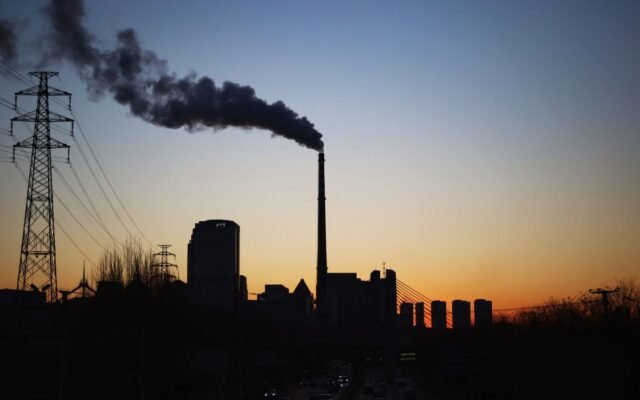
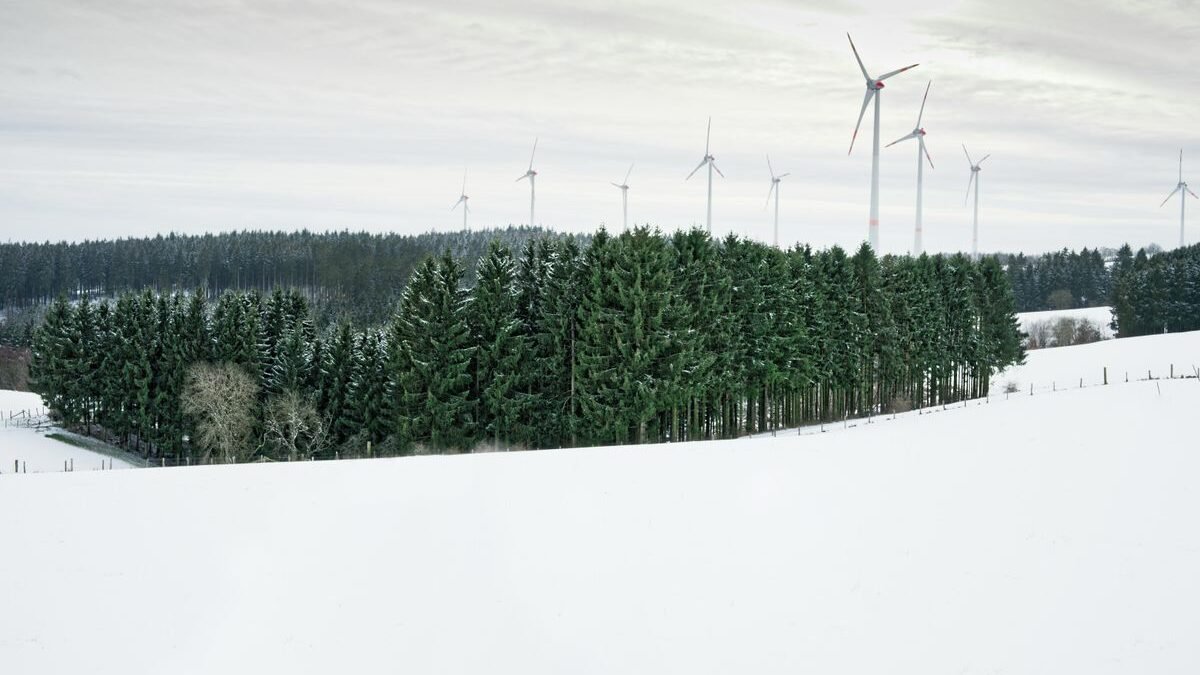
The EU’s greenhouse gas emissions fell by approximately 37% between 1990 and 2023 — an impressive absolute reduction but one that is heavily weighted toward the power sector, which has decarbonised faster than any other. As explored in our renewables progress analysis, wind and solar have grown dramatically, coal is being phased out across most of the EU, and the power sector is on a trajectory broadly consistent with climate neutrality. The bad news is that the power sector was the easiest to decarbonise. Everything else is harder.
Transport: progress but insufficiently fast
The 2035 ban on new internal combustion engine passenger car sales — now confirmed in EU law — is the most significant transport decarbonisation measure adopted. Electric vehicle sales have grown substantially, but slower than the most optimistic scenarios required. Infrastructure constraints — public charging networks — and upfront cost barriers for lower-income buyers are slowing adoption in the crucial 2026–2030 period when emissions reductions need to accelerate. Heavy transport (trucks, shipping, aviation) is making technological progress toward hydrogen and ammonia alternatives, but commercial deployment at scale remains a 2030s story at the earliest.
Buildings: the sleeping giant
The building sector — responsible for approximately 40% of EU energy consumption through heating, cooling and hot water — represents the largest unresolved decarbonisation challenge. Heat pump adoption has accelerated, but retrofitting the EU’s existing building stock to the standard required for climate neutrality is a multi-decade project requiring hundreds of millions of renovation decisions by households and building owners. The Energy Performance of Buildings Directive sets progressively tighter standards, but enforcement and financing remain the bottleneck. As the Green Deal analysis noted, this is the sector where the costs are most visible to individual citizens and the political resistance most acute.
Agriculture: the difficult conversation
European agriculture contributes roughly 11% of EU greenhouse gas emissions, primarily methane from livestock and nitrous oxide from fertilisers. The political difficulty of reducing agricultural emissions — both because of the CAP’s structural protection of farming interests and because food production sits close to a cultural identity for many European populations — has meant this sector receives far less pressure than its emissions share would imply. Without meaningful agricultural emission reductions, net zero by 2050 requires either much larger reductions from other sectors or carbon removal at a scale that current technologies cannot deliver.
The realistic assessment: the 2050 target is achievable under the right conditions — continued political will, technological development proceeding on schedule, public acceptance of the costs, and consistent implementation across 27 member states over nearly three decades. Each of those conditions is plausible. None is guaranteed.